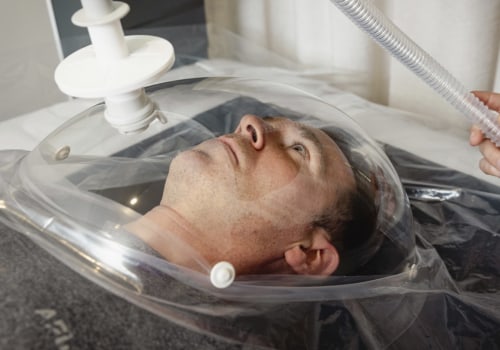
The concept of longevity within the medical profession is a multifaceted topic that invites both curiosity and scrutiny. As healthcare providers, doctors are often perceived as paragons of health, equipped with the knowledge and resources to lead long, fulfilling lives. However, the reality is more complex. Various studies have revealed significant disparities in lifespan among different medical specialties, raising questions about the factors that contribute to these differences.
Understanding these nuances is essential for both medical professionals and the general public alike.One intriguing aspect of this discussion is the emergence of longevity clinics, which focus on preventive care and health optimisation. These clinics aim to extend not just lifespan but also healthspan—the period during which individuals remain healthy and free from chronic diseases. By examining the practices and philosophies of longevity clinics, we can gain insights into how lifestyle choices, stress management, and preventive measures can influence a doctor's longevity. This exploration is particularly relevant in a field where the demands of the job can often lead to burnout and health issues.Moreover, the medical profession itself is diverse, encompassing a wide range of specialties from pediatrics to geriatrics, each with its own unique challenges and stressors.
For instance, while pediatricians dedicate their careers to nurturing the health of children, they may face emotional burdens that could impact their own well-being. In contrast, specialists in public health often enjoy longer lifespans due to their focus on disease prevention and community health initiatives. This section will delve deeper into these dynamics, setting the stage for a comprehensive examination of how different medical roles affect longevity.
The Role of Longevity Clinics in Promoting Health
Longevity clinics have emerged as a vital component in the quest for extended health and lifespan. These specialised facilities focus on preventive medicine and health promotion, aiming to identify and mitigate risks before they develop into serious health issues.By employing a holistic approach, longevity clinics not only address existing health concerns but also empower individuals to make informed lifestyle choices that can significantly enhance their quality of life.At the core of a longevity clinic's mission is the understanding that longevity is not merely about living longer; it is about living healthier. This philosophy is reflected in the comprehensive assessments conducted at these clinics, which often include:
- Genetic Testing: Understanding genetic predispositions can help tailor preventive strategies.
- Metabolic Assessments: Evaluating metabolic health provides insights into potential risks for conditions such as diabetes and heart disease.
- Nutritional Evaluations: Diet plays a crucial role in longevity, and personalised nutrition plans are developed based on individual needs.
- Physical Fitness Assessments: Regular exercise is essential for maintaining health, and clinics often provide tailored fitness programmes.
- Mental Health Evaluations: Addressing mental well-being is equally important, as stress management and emotional health significantly impact overall longevity.
- Personalised Health Plans: Based on assessment results, patients receive customised plans that outline specific lifestyle changes, dietary recommendations, and exercise regimens.
- Regular Monitoring: Ongoing evaluations help track progress and adjust plans as necessary, ensuring that patients remain on the right path towards optimal health.
- Educational Workshops: Clinics often host workshops to educate patients about the latest research in longevity, nutrition, and wellness practices.
Ultimately, longevity clinics serve as a beacon of hope for those seeking not just to add years to their life but also life to their years.
The Longevity Paradox: Pediatricians vs. Other Specialties
The longevity paradox surrounding pediatricians is a compelling topic that raises questions about the relationship between a doctor's specialty and their lifespan. Despite their dedication to promoting health and well-being in children, pediatricians often experience shorter lifespans compared to their counterparts in other medical fields. This phenomenon invites a closer examination of the unique challenges faced by pediatricians and how these factors contribute to their overall health.One of the primary reasons for the reduced lifespan among pediatricians is the emotional toll associated with their work.Caring for sick children can be profoundly distressing, as pediatricians frequently encounter cases of severe illness, chronic conditions, and even mortality. The emotional burden of witnessing suffering and loss can lead to increased levels of stress, anxiety, and burnout. This chronic stress not only affects mental health but can also have significant physical repercussions, contributing to a range of health issues that may shorten lifespan.In addition to emotional strain, the demanding nature of pediatric practice often results in long hours and irregular schedules. Pediatricians frequently work late nights, weekends, and holidays, which can disrupt their personal lives and limit opportunities for self-care.
The lack of work-life balance can exacerbate stress levels and lead to unhealthy lifestyle choices, such as poor diet and insufficient exercise. These factors collectively contribute to a higher risk of chronic diseases that can impact longevity.Moreover, pediatricians may also face unique workplace challenges that differ from those encountered by other specialists. For instance, they often deal with high patient volumes and complex cases that require extensive time and attention. This pressure can lead to feelings of inadequacy or frustration when outcomes do not meet expectations, further compounding stress levels.Interestingly, while pediatricians are trained to promote healthy behaviours in their patients, they may neglect their own health needs due to time constraints or the prioritisation of patient care over self-care.
This paradox highlights the importance of addressing the well-being of healthcare providers themselves.In contrast, other medical specialties such as dermatology or radiology tend to have lower emotional burdens associated with patient outcomes. These specialties often involve less direct patient interaction regarding life-threatening conditions, allowing practitioners to maintain a more balanced emotional state. Consequently, doctors in these fields may experience less stress and enjoy longer lifespans.Ultimately, understanding the longevity paradox among pediatricians underscores the need for systemic changes within the healthcare system. By prioritising mental health support for healthcare providers and promoting healthier work environments, we can help mitigate some of the factors contributing to reduced lifespans among pediatricians.
Addressing these issues is crucial not only for the well-being of doctors but also for ensuring that they can continue to provide high-quality care to their young patients.
Radiologists: A Closer Look at Their Lifespan
When examining the longevity of medical professionals, radiologists present a unique case. On average, radiologists have a lifespan of approximately 75 years, which, while respectable, is still below the average lifespan of the general population. This raises important questions about the factors influencing their health and longevity.Radiation Exposure and Health Risks
One of the primary concerns regarding the lifespan of radiologists is their exposure to ionising radiation. This exposure occurs regularly as they interpret X-rays, CT scans, and other imaging modalities.
While modern technology has significantly reduced radiation doses, the cumulative effect over years can still pose health risks.Research indicates that prolonged exposure to radiation can increase the likelihood of developing various health issues, including:
- Cancer: Studies have shown a higher incidence of certain cancers among radiologists compared to other medical professionals.
- Cardiovascular Diseases: There is evidence suggesting that radiation exposure may contribute to heart disease over time.
- Respiratory Issues: Chronic exposure can lead to respiratory complications, particularly in those who have worked in environments with inadequate safety measures.
Comparative Longevity Among Medical Specialties
When comparing radiologists to other medical specialties, it becomes evident that their lifespan is influenced not only by occupational hazards but also by lifestyle factors. For instance, specialties such as public health tend to report longer lifespans due to less stressful work environments and a focus on preventive care.Moreover, the demanding nature of radiology can lead to high levels of stress and burnout. The pressure to deliver accurate diagnoses quickly can take a toll on mental health, which in turn affects physical well-being.
In contrast, specialties that allow for more patient interaction and a balanced workload often report better overall health outcomes.
The Path Forward
To enhance longevity among radiologists, it is crucial for healthcare institutions to prioritise wellness initiatives. This includes providing resources for stress management, promoting healthy lifestyle choices, and ensuring rigorous safety standards are upheld in imaging departments. By addressing both the physical and mental health challenges faced by radiologists, we can help improve their quality of life and potentially extend their lifespan.
Public Health Doctors: Champions of Longevity
When it comes to longevity, public health doctors stand out as a remarkable group within the medical profession. Their focus on preventive healthcare and community well-being not only benefits the populations they serve but also contributes significantly to their own lifespans.Research indicates that public health practitioners can live up to 84 years , a figure that surpasses many other medical specialties.One of the primary reasons for this extended lifespan is their proactive approach to health. Public health doctors are dedicated to identifying and mitigating health risks before they escalate into serious conditions. This emphasis on prevention allows them to maintain healthier lifestyles, as they are often more aware of the factors that contribute to good health.Moreover, public health initiatives often involve community engagement, which fosters a sense of purpose and connection. This social aspect is crucial; studies have shown that strong social ties can lead to improved mental and physical health outcomes.
By working closely with communities, public health doctors not only promote better health practices but also enhance their own emotional well-being.In addition to their focus on prevention, several other factors contribute to the longevity of public health doctors:
- Work Environment: Public health roles typically involve less stress compared to other medical fields, such as emergency medicine or surgery. The structured nature of public health work allows for a more balanced lifestyle.
- Access to Resources: Public health professionals often have better access to healthcare resources, enabling them to manage their own health effectively.
- Health Education: Their extensive knowledge about disease prevention and healthy living equips them with the tools necessary to make informed lifestyle choices.
Socioeconomic Status and Access to Healthcare: Their Impact on Lifespan
The relationship between socioeconomic status and longevity is a complex one, particularly in the medical profession.Doctors, despite their extensive training and knowledge about health, are not immune to the influences of their socioeconomic environment. In fact, these factors can significantly impact their lifespan and overall well-being.One of the primary ways socioeconomic status affects longevity is through access to quality healthcare. Doctors who work in affluent areas often have better access to advanced medical facilities, cutting-edge treatments, and preventive care options. This access allows them to manage their health more effectively, leading to improved health outcomes and potentially longer lifespans.Conversely, those practicing in lower-income regions may face challenges that can adversely affect their health.
Limited resources can lead to increased stress levels, as these doctors may encounter higher patient loads and less support. The strain of working in under-resourced environments can take a toll on their physical and mental health, ultimately impacting their longevity.
The Role of Stress
Stress is a significant factor that can influence a doctor's lifespan. High levels of stress are often associated with burnout, which is prevalent among medical professionals. Doctors who experience chronic stress may neglect their own health needs, leading to poor lifestyle choices such as inadequate exercise, unhealthy eating habits, and insufficient sleep.These factors can contribute to a range of health issues, including cardiovascular diseases and mental health disorders.
Healthcare Access and Preventive Measures
Access to healthcare also plays a crucial role in preventive measures. Doctors with better access to healthcare services are more likely to engage in regular check-ups and screenings, which can help detect potential health issues early on. This proactive approach is essential for maintaining long-term health and longevity.Moreover, socioeconomic status can influence a doctor's ability to afford healthy lifestyle choices. Those with higher incomes may have the means to invest in nutritious food, fitness memberships, and wellness programs.In contrast, doctors from lower socioeconomic backgrounds might struggle to prioritise these aspects due to financial constraints.In conclusion, while doctors possess the knowledge necessary for maintaining good health, their socioeconomic status and access to quality healthcare significantly impact their longevity. By addressing these disparities within the medical community, we can foster an environment that promotes not only the well-being of doctors but also enhances the quality of care they provide to their patients.
The Importance of Self-Care for Medical Professionals
In the demanding world of medicine, the concept of self-care often takes a backseat to the relentless responsibilities that doctors face. However, prioritising one’s own health is not merely a luxury; it is a necessity that can significantly enhance both personal well-being and patient care.Medical professionals are frequently exposed to high levels of stress, long hours, and emotional strain. This can lead to burnout, which not only affects their mental health but also compromises the quality of care they provide.Research indicates that doctors who engage in regular self-care practices are more resilient and better equipped to handle the challenges of their profession.
Strategies for Effective Self-Care
- Mindfulness and Meditation: Incorporating mindfulness techniques can help doctors manage stress and improve focus. Simple practices such as meditation or deep-breathing exercises can be integrated into daily routines.
- Physical Activity: Regular exercise is crucial for maintaining physical health and mental clarity. Whether it’s a brisk walk during lunch breaks or a structured workout regimen, staying active can significantly boost mood and energy levels.
- Healthy Eating: Nutrition plays a vital role in overall health. Doctors should aim to consume balanced meals rich in fruits, vegetables, whole grains, and lean proteins to sustain their energy throughout demanding shifts.
- Social Connections: Building and maintaining relationships with colleagues, friends, and family can provide essential emotional support.
Engaging in social activities outside of work helps alleviate feelings of isolation.
- Professional Support: Seeking help from mental health professionals or peer support groups can be beneficial. Sharing experiences with others in similar situations can foster a sense of community and understanding.
By recognising the importance of their own well-being, doctors can cultivate a sustainable career that allows them to thrive both personally and professionally.
Conclusion: Key Takeaways on Doctor Longevity and Health Promotion
As we draw our exploration of longevity among doctors to a close, several key insights emerge that highlight the intricate relationship between medical practice, lifestyle choices, and overall health. The findings discussed throughout this article reveal not only the surprising truths about which types of doctors tend to live longer but also the significant role that longevity clinics can play in promoting healthier lifestyles.Firstly, it is evident that the type of medical specialty significantly influences longevity. For instance, while pediatricians dedicate their careers to nurturing the health of children, they paradoxically face higher stress levels and emotional burdens that may adversely affect their lifespan. In contrast, public health professionals, who focus on disease prevention and community health promotion, often enjoy longer lifespans due to their less stressful work environments and proactive health strategies.Moreover, the role of lifestyle choices cannot be overstated.Doctors who prioritise their own health through balanced diets, regular exercise, and effective stress management techniques are more likely to experience enhanced longevity. This highlights a crucial point: even those in the medical profession must actively engage in self-care to maintain their well-being.Additionally, access to quality healthcare resources plays a pivotal role in longevity. Doctors who have the means to seek regular check-ups and preventive care are better positioned to manage their health effectively. This underscores the importance of not only providing care for others but also ensuring that healthcare professionals themselves have access to the necessary resources for maintaining their health.Finally, longevity clinics emerge as vital institutions in this narrative.
These clinics offer tailored programmes that focus on preventive care and lifestyle modifications aimed at enhancing overall health and extending lifespan. By integrating advanced medical insights with personalised wellness strategies, longevity clinics empower individuals—including healthcare professionals—to take charge of their health proactively.In conclusion, while the journey towards understanding doctor longevity is complex and multifaceted, it is clear that a combination of specialty choice, lifestyle habits, access to healthcare, and innovative approaches like those offered by longevity clinics can significantly influence outcomes. As we continue to unravel these connections, it becomes increasingly important for all doctors to prioritise their own health as they strive to provide exemplary care for their patients.