When we think about longevity, it is easy to fall into the trap of equating it solely with the number of years we live. However, true longevity is a multifaceted concept that encompasses not just the length of life but also the quality of health throughout those years. It is about thriving rather than merely surviving, ensuring that as we age, we maintain vitality, independence, and a high quality of life. This holistic approach to longevity is increasingly being recognised in modern healthcare, particularly within the framework of a longevity cliniclongevity clinic.At a longevity clinic, the focus extends beyond traditional medical practices that often prioritise treating illnesses after they arise.
Instead, these clinics adopt a proactive stance, emphasising prevention and wellness. They utilise advanced diagnostic tools and personalised health assessments to understand each individual's unique genetic makeup and lifestyle factors. This tailored approach allows for the development of specific strategies aimed at enhancing both lifespan and healthspan—the period during which an individual remains healthy and free from serious disease.Moreover, lifestyle choices play a pivotal role in determining our longevity. Factors such as diet, physical activity, stress management, and social connections are all integral components that can significantly influence our overall health.
For instance, research has shown that individuals who engage in regular physical activity and maintain a balanced diet rich in nutrients tend to enjoy longer, healthier lives. By addressing these lifestyle elements within the context of a longevity clinic, individuals can gain valuable insights into how to optimise their health and well-being.In essence, understanding longevity requires a shift in perspective—from merely counting years to enhancing the quality of those years. As we delve deeper into this topic, we will explore how a longevity clinic can serve as a vital resource for individuals seeking to unlock the secrets to a longer and healthier life.
The Role of Genetics in Longevity
Genetics plays a pivotal role in determining our lifespan and overall health. While lifestyle choices such as diet and exercise are crucial, our genetic makeup can significantly influence how we respond to these factors.Understanding the genetic components of longevity can empower individuals to make informed decisions about their health.Research has shown that certain genes are associated with longevity. For instance, variations in genes related to inflammation, metabolism, and cellular repair mechanisms can affect how well our bodies age. Individuals with favourable genetic profiles may have a natural advantage when it comes to resisting age-related diseases, while those with less advantageous genetics might face greater challenges.Moreover, hereditary health conditions can also impact longevity. If there is a family history of chronic diseases such as heart disease, diabetes, or cancer, it is essential to be proactive in monitoring health and making lifestyle adjustments.
This is where the services offered by a longevity clinic become invaluable.At a longevity clinic, comprehensive genetic screenings are conducted to identify specific genetic markers that may influence an individual's health trajectory. These screenings can reveal predispositions to certain conditions, allowing for early intervention and tailored health strategies. For example:
- Personalised Nutrition Plans: Based on genetic insights, nutritionists can create customised meal plans that cater to an individual's unique metabolic needs.
- Targeted Exercise Regimens: Understanding genetic predispositions can help fitness experts design exercise programmes that maximise benefits while minimising injury risks.
- Preventative Health Measures: Knowledge of hereditary risks enables healthcare providers to recommend regular screenings and preventative measures tailored to the individual.
This personalised approach not only fosters better health outcomes but also empowers individuals to live their lives to the fullest.
Lifestyle Choices That Promote Longevity
When it comes to enhancing longevity, the choices we make in our daily lives play a pivotal role. A holistic approach that encompasses diet, exercise, and other healthy habits can significantly impact our lifespan and overall well-being. Here are some actionable lifestyle changes recommended by experts at longevity clinics.Nutrition: Fueling Your Body for Longevity
A balanced diet is fundamental to promoting a longer life. Here are key dietary recommendations:- Emphasise Whole Foods: Focus on consuming whole, unprocessed foods such as fruits, vegetables, whole grains, lean proteins, and healthy fats.
These foods are rich in essential nutrients that support bodily functions and reduce the risk of chronic diseases.
- Limit Sugar and Processed Foods: High sugar intake and processed foods can lead to obesity, diabetes, and heart disease. Reducing these from your diet can improve your health significantly.
- Stay Hydrated: Drinking adequate water is crucial for maintaining bodily functions. Aim for at least 2 litres of water daily, adjusting based on activity levels and climate.
- Mindful Eating: Pay attention to portion sizes and eat slowly. This practice can help prevent overeating and promote better digestion.
Physical Activity: Moving Towards a Longer Life
Regular physical activity is another cornerstone of longevity.Here’s how to incorporate exercise into your routine:
- Aim for Consistency: Engage in at least 150 minutes of moderate aerobic activity each week, such as brisk walking or cycling. This can enhance cardiovascular health and boost mood.
- Strength Training: Include strength training exercises at least twice a week. Building muscle mass helps maintain metabolism and supports bone health as you age.
- Incorporate Flexibility and Balance Exercises: Activities like yoga or tai chi improve flexibility, balance, and mental well-being, reducing the risk of falls in older adults.
Cultivating Healthy Habits
Beyond diet and exercise, certain habits can further enhance longevity:- Prioritise Sleep: Aim for 7-9 hours of quality sleep each night. Sleep is essential for recovery, cognitive function, and emotional health.
- Manage Stress: Chronic stress can negatively impact health.
Techniques such as meditation, deep breathing exercises, or spending time in nature can help manage stress levels effectively.
- Stay Socially Connected: Maintaining strong relationships with family and friends has been linked to increased longevity. Engage in social activities that foster connections.
The Importance of Nutrition in Achieving Longevity
Nutrition plays a pivotal role in the quest for longevity, influencing not only how long we live but also the quality of our lives as we age. At longevity clinics, tailored dietary recommendations are crafted to support optimal health and enhance lifespan.Understanding the significance of nutrition is essential for anyone looking to improve their well-being and longevity.One of the fundamental principles of nutrition for longevity is the emphasis on whole, unprocessed foods. These foods are rich in essential nutrients, antioxidants, and phytochemicals that combat oxidative stress and inflammation—two key factors that contribute to aging and chronic diseases. A diet abundant in fruits, vegetables, whole grains, lean proteins, and healthy fats can significantly impact overall health.
Key Dietary Practices Recommended by Longevity Clinics
- Plant-Based Focus: Many longevity clinics advocate for a predominantly plant-based diet. This approach not only provides a wealth of vitamins and minerals but also promotes a healthy gut microbiome, which is crucial for digestion and immune function.
- Healthy Fats: Incorporating sources of healthy fats, such as avocados, nuts, seeds, and olive oil, can support heart health and cognitive function.
Omega-3 fatty acids found in fatty fish are particularly beneficial for reducing inflammation.
- Moderation in Protein Intake: While protein is essential for muscle maintenance and repair, excessive consumption can lead to health issues. Longevity clinics often recommend moderate protein intake from high-quality sources like legumes, fish, and poultry.
- Mindful Eating: Practicing mindful eating—being aware of what you eat and how it affects your body—can help prevent overeating and promote healthier food choices. This practice encourages individuals to savour their meals and appreciate the nutritional value they provide.
By tailoring nutrition to meet individual needs, patients can achieve better health outcomes and enhance their longevity.Ultimately, the journey towards a longer life is not solely about extending years but enriching those years with vitality and health. By prioritising nutrition as a cornerstone of wellness, individuals can significantly improve their chances of living a longer, healthier life.
Physical Activity: A Cornerstone of Longevity
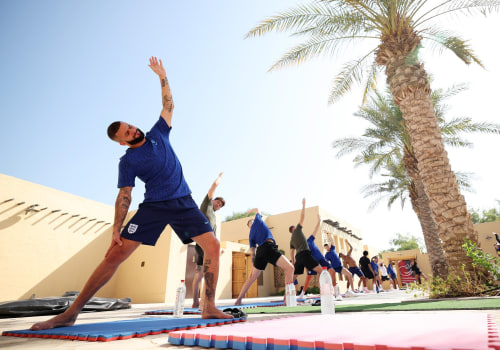
Regular physical activity is not just a means to maintain a healthy weight; it is a fundamental pillar of longevity that can significantly enhance both the quality and duration of life. Numerous studies have demonstrated that engaging in consistent exercise can lead to a myriad of health benefits, making it an essential component of any longevity-focused lifestyle.At longevity clinics, tailored exercise programs are designed to meet individual needs, ensuring that patients can engage in physical activities that are both enjoyable and effective. These programs often include a variety of exercise types, each contributing uniquely to overall health:- Aerobic Exercise: Activities such as walking, running, cycling, and swimming improve cardiovascular health, enhance lung capacity, and boost endurance.
Regular aerobic exercise has been linked to lower risks of chronic diseases such as heart disease and diabetes.
- Strength Training: Incorporating resistance exercises helps build muscle mass and bone density, which naturally decline with age. Strength training not only improves physical function but also supports metabolic health by increasing resting energy expenditure.
- Flexibility and Balance Exercises: Practices like yoga and tai chi enhance flexibility, improve balance, and reduce the risk of falls—an important consideration for older adults. These exercises also promote mental well-being through mindfulness and relaxation techniques.
This holistic approach to health is crucial in longevity clinics, where the aim is not only to extend lifespan but also to enrich the quality of life.Moreover, social engagement during physical activities can further amplify these benefits. Group classes or community sports provide opportunities for social interaction, which is another key factor in promoting longevity. The Healthy Longevity Clinic encourages patients to find exercise partners or join group activities to foster these connections.In conclusion, integrating regular physical activity into daily routines is vital for anyone seeking to enhance their longevity. By participating in a well-rounded exercise program tailored to individual preferences and capabilities, individuals can significantly improve their health outcomes and enjoy a longer, more fulfilling life.This holistic approach to health is crucial in longevity clinics, where the aim is not only to extend lifespan but also to enrich the quality of life.Moreover, social engagement during physical activities can further amplify these benefits. Group classes or community sports provide opportunities for social interaction, which is another key factor in promoting longevity. The Healthy Longevity Clinic encourages patients to find exercise partners or join group activities to foster these connections.In conclusion, integrating regular physical activity into daily routines is vital for anyone seeking to enhance their longevity. By participating in a well-rounded exercise program tailored to individual preferences and capabilities, individuals can significantly improve their health outcomes and enjoy a longer, more fulfilling life.
Mental Health and Social Connections: Keys to Longevity
The relationship between mental health and longevity is profound, with numerous studies indicating that emotional well-being significantly influences lifespan.Individuals who maintain a positive mental state tend to experience lower levels of stress, which can lead to better physical health outcomes. Chronic stress, on the other hand, has been linked to various health issues, including cardiovascular diseases and weakened immune function.At a longevity clinic, the focus extends beyond physical health to encompass mental wellness. Here are some key strategies that can be employed to enhance mental health and foster social connections:
- Engage in Regular Social Activities: Participating in community events or social gatherings can help strengthen bonds with others. This not only combats feelings of loneliness but also provides emotional support.
- Practice Mindfulness and Meditation: Techniques such as mindfulness meditation can improve emotional regulation and reduce anxiety.
These practices encourage individuals to stay present, fostering a sense of peace and contentment.
- Build Strong Relationships: Investing time in nurturing relationships with family and friends is crucial. Regular communication, whether through phone calls, video chats, or in-person meetings, can enhance feelings of belonging and support.
- Seek Professional Support: Longevity clinics often provide access to mental health professionals who can offer guidance and therapy tailored to individual needs. This support can be invaluable in managing stress and improving overall mental health.
The emotional support derived from friendships and family ties can mitigate stress and promote healthier lifestyle choices.Incorporating these strategies into daily life not only enhances mental well-being but also contributes to a longer, healthier life. At the Healthy Longevity Clinic, we emphasise the integration of mental health care with physical health strategies, recognising that true longevity encompasses both mind and body.
Preventive Healthcare: The Role of Longevity Clinics
In the quest for a longer and healthier life, preventive healthcare has emerged as a cornerstone of modern medicine.Longevity clinics
play a pivotal role in this paradigm shift, focusing on proactive measures that aim to identify potential health issues before they escalate into serious conditions. By prioritising prevention over treatment, these clinics offer a comprehensive approach to health that is tailored to the individual.One of the primary services provided by longevity clinics is personalised health assessments.These assessments are designed to evaluate an individual's unique health profile, taking into account factors such as genetics, lifestyle, and medical history. Through detailed questionnaires and consultations, healthcare professionals can gain insights into a patient's current health status and potential risks.Moreover, health screenings are integral to the services offered at longevity clinics. These screenings often include a range of diagnostic tests that can detect early signs of diseases such as diabetes, cardiovascular issues, and even certain cancers. For instance:
- Blood tests: These can reveal cholesterol levels, blood sugar levels, and other vital markers that indicate overall health.
- Genetic testing: Understanding genetic predispositions can help in crafting personalised prevention strategies.
- Imaging tests: Techniques like ultrasounds or MRIs can provide insights into organ health and detect abnormalities.
Instead of a one-size-fits-all approach, these clinics utilise advanced technology and data analysis to create tailored health plans. This might include specific dietary recommendations, exercise regimens, or even supplements designed to address individual deficiencies or risks.Furthermore, longevity clinics often incorporate lifestyle coaching into their services. This holistic approach not only addresses physical health but also considers mental and emotional well-being. By fostering healthy habits and providing ongoing support, patients are empowered to take charge of their health journey.In conclusion, longevity clinics represent a forward-thinking approach to healthcare that prioritises prevention through personalised assessments and screenings.
By identifying potential health risks early on and implementing tailored strategies, these clinics help individuals not only extend their lifespan but also enhance their quality of life.
Innovative Treatments and Technologies in Longevity Clinics
In the realm of longevity clinics, the integration of innovative treatments and advanced technologies is revolutionising the way we approach health and wellness. These clinics are at the forefront of preventive healthcare, utilising cutting-edge methods to enhance health outcomes and extend lifespans.One of the most significant advancements in longevity treatments is the use of regenerative medicine. This field focuses on repairing or replacing damaged cells, tissues, and organs, often using stem cell therapy. By harnessing the body’s natural healing processes, regenerative medicine can potentially reverse age-related degeneration and improve overall vitality.Another exciting development is the application of genetic testing.Through comprehensive genetic screenings, longevity clinics can identify predispositions to various health conditions. This information allows for tailored lifestyle recommendations and interventions that can mitigate risks before they manifest into serious health issues.
Advanced diagnostic tools
are also playing a crucial role in longevity clinics. Technologies such as epigenetic clocks measure biological age based on gene expression patterns, providing insights into how lifestyle choices affect aging. This data empowers individuals to make informed decisions about their health.Moreover, nutritional genomics is emerging as a vital component of longevity treatments.
By understanding how individual genetic variations affect nutrient metabolism, clinics can offer personalised dietary plans that optimise health and promote longevity.The rise of telemedicine has further enhanced access to these innovative therapies. Patients can now consult with specialists remotely, ensuring that they receive expert guidance on their longevity journey without geographical limitations.Finally, the incorporation of wearable technology , such as fitness trackers and health monitors, allows individuals to continuously track their health metrics. This real-time data collection enables proactive adjustments to lifestyle choices, fostering a more engaged approach to personal health management.As we look to the future, it is clear that longevity clinics are not just about extending life but enhancing the quality of those years through innovative treatments and technologies. By embracing these advancements, individuals can take significant steps towards achieving a longer, healthier life.
Success Stories: Real-Life Examples from Longevity Clinics
At longevity clinics, the transformative power of personalized health plans is often best illustrated through the success stories of patients who have experienced remarkable improvements in their health and well-being.These real-life examples not only highlight the effectiveness of tailored approaches but also inspire others to embark on their own journeys towards better health.One compelling case is that of Margaret , a 62-year-old woman who struggled with obesity and related health issues for most of her adult life. After enrolling in a program at a local longevity clinic, she underwent comprehensive assessments, including genetic screenings and metabolic evaluations. With the guidance of a dedicated team, Margaret adopted a personalized nutrition plan rich in whole foods and engaged in regular physical activity tailored to her capabilities. Within a year, she lost over 30 kilograms and significantly improved her blood pressure and cholesterol levels.
Margaret's story exemplifies how individualized care can lead to profound changes.Another inspiring example is David , a 55-year-old man who faced chronic fatigue and stress-related ailments. After participating in a wellness programme at the clinic, David learned about the importance of stress management techniques such as mindfulness and yoga. By incorporating these practices into his daily routine, along with nutritional adjustments, he reported feeling more energetic and focused than ever before. His experience underscores the holistic approach that longevity clinics take, addressing not just physical health but also mental well-being.Additionally, Linda , a 70-year-old retiree, sought help at a longevity clinic after experiencing memory lapses and cognitive decline.
Through targeted interventions that included cognitive training exercises and dietary changes rich in antioxidants, Linda saw significant improvements in her memory and overall cognitive function. Her journey highlights the potential for longevity clinics to support brain health as part of an integrated approach to aging.These success stories serve as powerful testimonials to the impact of personalized health plans offered by longevity clinics. They illustrate that with the right support and resources, individuals can achieve remarkable health improvements, enhancing not only their lifespan but also their quality of life. As more people share their experiences, it becomes increasingly clear that investing in one’s health through tailored strategies can lead to lasting benefits.
<strong>Conclusion</strong>: Embracing a Holistic Approach to Longevity
In conclusion, the journey towards achieving longevity is multifaceted and requires a comprehensive understanding of various lifestyle factors.Throughout this article, we have explored numerous strategies that contribute to a longer, healthier life, emphasising the importance of a holistic approach. By integrating these strategies into daily routines, individuals can significantly enhance their overall well-being and lifespan.
Summary of Longevity Strategies
- Nutrition: A balanced diet rich in whole foods, including fruits, vegetables, lean proteins, and healthy fats, is essential. Avoiding processed foods and excessive sugar can help maintain optimal health.
- Physical Activity: Regular exercise not only improves physical fitness but also boosts mental health. Engaging in activities such as walking, swimming, or yoga can promote longevity.
- Social Connections: Maintaining strong relationships with family and friends has been shown to reduce stress and improve emotional health, which are crucial for longevity.
- Mental Well-being: Practices such as mindfulness, meditation, and stress management techniques can enhance mental clarity and emotional resilience.
- Preventive Healthcare: Regular check-ups and screenings at a longevity clinic can help identify potential health issues early on, allowing for timely intervention.
Importance of Holistic Health
A holistic approach to health considers the interconnectedness of body, mind, and spirit.
It recognises that physical health cannot be separated from mental and emotional well-being. By addressing all aspects of health, individuals are more likely to achieve sustainable improvements in their quality of life. This is where the role of a longevity clinic becomes invaluable; it provides tailored strategies that encompass all dimensions of health.
Final Thoughts on Living Longer
The quest for longevity is not merely about extending life but enhancing the quality of those years. By embracing a holistic approach that incorporates nutrition, physical activity, social connections, mental well-being, and preventive healthcare, individuals can unlock the secrets to a longer and healthier life.
The resources available at a longevity clinic can guide you on this journey, offering personalised insights and support tailored to your unique needs. Remember, every small change contributes to a larger impact on your overall health and longevity.