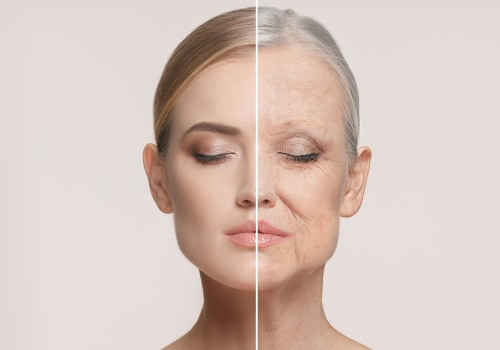
Longevity medicine is an emerging field that focuses on extending the human lifespan while simultaneously enhancing the quality of life. This innovative approach combines advanced scientific research with practical medical applications, aiming to prevent age-related diseases and promote overall well-being. As our understanding of the biological processes of aging deepens, longevity medicine is becoming increasingly significant in modern healthcare, offering new avenues for treatment and prevention that were previously unimaginable.At the heart of longevity medicine lies the concept of personalised healthcare. This involves tailoring medical interventions to the unique genetic, environmental, and lifestyle factors of each individual. Longevity medicine is an emerging field that focuses on extending the human lifespan while simultaneously enhancing the quality of life. This innovative approach combines advanced scientific research with practical medical applications, aiming to prevent age-related diseases and promote overall well-being. As our understanding of the biological processes of aging deepens, longevity medicine is becoming increasingly significant in modern healthcare, offering new avenues for treatment and prevention that were previously unimaginable.At the heart of longevity medicine lies the concept of personalised healthcare. This involves tailoring medical interventions to the unique genetic, environmental, and lifestyle factors of each individual.
By leveraging cutting-edge technologies such as genetic testing, biomarker analysis, and metabolic evaluations, longevity clinics can create bespoke health plans that address specific risks and needs. This personalised approach not only empowers patients to take control of their health but also fosters a proactive mindset towards ageing.Longevity clinics are at the forefront of this medical revolution, providing a range of services designed to enhance healthspan—the period of life spent in good health. These clinics offer comprehensive assessments that include detailed health screenings and lifestyle evaluations, enabling practitioners to identify potential health risks before they manifest into serious conditions. The rise of these specialised clinics reflects a growing societal interest in longevity and wellness, as more individuals seek to optimise their health and extend their vitality.As we delve deeper into the intricacies of longevity medicine, it becomes clear that this field not only holds promise for individual patients but also has the potential to reshape healthcare systems globally.
With an increasing number of professionals recognising the importance of this specialty, there is a unique opportunity for medical practitioners to specialise in longevity medicine and contribute to a future where healthy ageing is within everyone's reach.
The Rise of Longevity Clinics
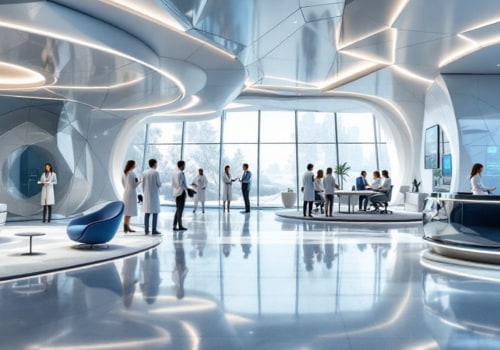
In recent years, the emergence of longevity clinics has marked a significant shift in the healthcare landscape, reflecting a growing societal interest in extending lifespan and enhancing quality of life. These clinics are not merely a trend; they represent a burgeoning field of medicine that combines cutting-edge science with personalised healthcare.The global rise of longevity clinics can be attributed to several factors:- Increased Awareness: As people become more health-conscious, there is a heightened awareness of the importance of preventive care and lifestyle management. This shift has led to a demand for specialised services that focus on longevity.
- Advancements in Technology: Innovations in medical technology, such as genetic testing and biomarker analysis, have made it possible to tailor health plans to individual needs. This precision medicine approach is at the core of what longevity clinics offer.
- Aging Population: With an increasing number of individuals reaching advanced ages, there is a pressing need for medical solutions that address age-related health issues.
Longevity clinics are well-positioned to meet this demand.
- Comprehensive Health Assessments: These assessments often involve extensive testing, including blood work, metabolic evaluations, and genetic screenings, to provide a complete picture of an individual's health status.
- Personalised Health Plans: Based on assessment results, clinics develop tailored health plans that may include dietary recommendations, exercise regimens, and supplementation strategies aimed at optimising health.
- Anti-Aging Therapies: Many clinics offer therapies such as hormone replacement therapy, intravenous nutrient therapy, and regenerative medicine techniques that aim to combat the effects of aging.
- Wellness Coaching: Longevity clinics often provide access to wellness coaches who guide patients in making sustainable lifestyle changes that support long-term health.
Key Components of Longevity Medicine
Longevity medicine is a multifaceted field that integrates various components to enhance healthspan and lifespan.Understanding these key elements is crucial for both practitioners and patients seeking to optimise their well-being.
Advanced Testing Methods
One of the cornerstones of longevity clinics is the use of advanced testing methods. These tests are designed to provide a comprehensive overview of an individual's health status, identifying potential risks and areas for improvement. Common testing modalities include:
- Genetic Testing: This involves analysing an individual's DNA to uncover genetic predispositions to certain diseases, allowing for proactive health management.
- Biomarker Analysis: Biomarkers are measurable indicators of biological processes. By evaluating various biomarkers, clinicians can assess metabolic health, inflammation levels, and overall physiological function.
- Metabolic Evaluations: These assessments focus on how well the body processes nutrients and energy, providing insights into metabolic disorders that could affect longevity.
Personalised Health Plans
The information gathered from advanced testing is pivotal in formulating personalised health plans.
Unlike traditional medicine, which often adopts a one-size-fits-all approach, longevity medicine emphasises tailored strategies that cater to the unique needs of each individual. Key aspects of personalised health plans include:
- Nutritional Guidance: Based on metabolic evaluations and genetic predispositions, nutritionists can recommend specific dietary changes that promote optimal health.
- Exercise Regimens: Tailored fitness programmes are designed to enhance physical activity levels while considering any existing health conditions or limitations.
- Supplementation Protocols: Longevity clinics often recommend specific supplements based on individual deficiencies or health goals, ensuring that patients receive the necessary nutrients to support their longevity journey.
Specialisation in Longevity Medicine
Specialising in longevity medicine is an exciting and rapidly evolving pathway for medical professionals seeking to make a significant impact on patient health and well-being. As the demand for longevity clinics increases, so does the need for qualified specialists who can navigate this complex field.Here, we will explore the essential steps to specialise in longevity medicine, including training opportunities and certifications that can enhance your expertise.
1.Understanding the Foundations of Longevity Medicine
Before embarking on a journey to specialise in longevity medicine, it is crucial to have a solid understanding of its foundational principles. This includes knowledge of:
- Biogerontology: The study of the biological processes of ageing.
- Geroscience: The field that examines the relationship between ageing and age-related diseases.
- Precision Medicine: Tailoring medical treatment to individual characteristics, needs, and preferences.
2.Pursuing Relevant Education and Training
A comprehensive educational background is vital for anyone looking to specialise in this field. Here are some recommended pathways:
- Medical Degree: A foundational requirement is obtaining a medical degree (MBBS or equivalent) from an accredited institution.
- Residency Training: Completing a residency in a relevant specialty such as internal medicine, geriatrics, or preventive medicine can provide essential clinical experience.
- Fellowships: Consider pursuing fellowships specifically focused on anti-aging and regenerative medicine, which offer advanced training in longevity practices.
3.Obtaining Certifications in Longevity Medicine
Certifications play a crucial role in establishing credibility and expertise in longevity medicine. Some notable certifications include:
- American Board of Anti-Aging and Regenerative Medicine (ABAARM): This certification demonstrates proficiency in anti-aging practices and regenerative therapies.
- World Society for Anti-Aging Medicine (WOSAAM): Offers various courses and certifications that validate a physician's knowledge in longevity medicine.
- CME Accredited Courses: Continuing Medical Education (CME) courses focused on longevity can help practitioners stay updated with the latest advancements and techniques.
4.Engaging in Continuing Education
The field of longevity medicine is continuously evolving, making ongoing education essential.
Participating in workshops, conferences, and online courses can help you stay abreast of new research findings, technologies, and treatment modalities.
5.Building a Professional Network
Connecting with other professionals in the field can provide valuable insights and opportunities for collaboration. Joining organisations such as the American Academy of Anti-Aging Medicine (A4M) or attending industry conferences can facilitate networking with like-minded individuals dedicated to advancing longevity medicine.In conclusion, specialising in longevity medicine requires a commitment to education, training, and continuous learning. By following these pathways, medical professionals can position themselves at the forefront of this innovative field, ultimately enhancing their ability to improve patient outcomes and quality of life.
Continuing Education and Professional Development
In the rapidly evolving field of longevity medicine, continuing education is not just beneficial; it is essential. As new research emerges and technologies advance, practitioners must stay informed to provide the best possible care to their patients.This commitment to lifelong learning ensures that longevity specialists can integrate the latest findings into their practice, enhancing patient outcomes and maintaining a competitive edge in the industry.One of the primary avenues for ongoing education in this field is through continuing medical education (CME) courses specifically tailored to longevity medicine. These courses cover a wide range of topics, including:
- Recent advancements in geroscience , which explores the biological mechanisms of aging.
- Innovative treatment modalities , such as regenerative medicine and precision health strategies.
- Ethical considerations in longevity practices, ensuring that patient care remains at the forefront.
- Emerging technologies , including AI and machine learning applications in health assessments.
As the landscape of healthcare continues to shift towards personalised medicine, longevity specialists must adapt their practices accordingly. This adaptability is crucial for:
- Improving patient care: By applying the latest research findings, doctors can offer more effective treatment plans tailored to individual needs.
- Enhancing practice reputation: Clinics that prioritise ongoing education are often viewed as more credible and trustworthy by patients.
- Aiding career advancement: Physicians who invest in their education are more likely to be recognised for their expertise and may find greater opportunities for leadership roles within their organisations.
Challenges and Opportunities in Longevity Medicine
The field of longevity medicine is rapidly evolving, presenting both significant challenges and exciting opportunities for practitioners and patients alike. As longevity clinics become more prevalent, understanding these dynamics is essential for those looking to specialise in this innovative area of healthcare.Challenges in Longevity Clinics
- Regulatory Hurdles: One of the primary challenges faced by longevity clinics is navigating the complex regulatory landscape.
Many treatments and interventions are still considered experimental, which can lead to difficulties in obtaining necessary approvals and certifications.
- Public Perception: There is often skepticism surrounding the efficacy of longevity treatments. Many potential patients may be hesitant to invest in services that promise to extend lifespan or improve healthspan, particularly if they are not well-informed about the science behind these interventions.
- Cost of Advanced Technologies: The implementation of cutting-edge technologies, such as genetic testing and biomarker analysis, can be prohibitively expensive. This financial barrier may limit access for many individuals who could benefit from these services.
- Integration with Traditional Medicine: Longevity clinics must find ways to integrate their practices with traditional healthcare systems. This can be challenging, as there may be a lack of understanding or acceptance from conventional medical professionals regarding the principles of longevity medicine.
Opportunities in Longevity Medicine
- Growing Demand: As awareness of health and wellness increases, so does the demand for longevity-focused services.
More individuals are seeking personalised health plans that address their unique needs and risk factors, creating a robust market for longevity clinics.
- Advancements in Research: Ongoing research in fields such as geroscience and bioinformatics is paving the way for new treatments and interventions. Staying abreast of these developments allows longevity practitioners to offer cutting-edge solutions to their patients.
- Collaboration with Tech Companies: Partnerships with technology firms can enhance the capabilities of longevity clinics. Innovations in wearable health technology and telemedicine can provide valuable data and improve patient engagement.
- Education and Awareness Campaigns: By investing in educational initiatives, longevity clinics can help demystify their services and build trust within the community. This can lead to increased patient enrolment and a stronger reputation within the healthcare sector.
As the field continues to grow, it will undoubtedly play a pivotal role in shaping healthcare practices for years to come.
Case Studies: Successful Longevity Clinics
As the field of longevity medicine continues to evolve, several clinics have emerged as leaders, showcasing innovative practices and successful outcomes. These case studies highlight the best practices that can inspire other practitioners in the field.1.The Longevity Clinic in Singapore
One of the most renowned longevity clinics is located in Singapore, where a multidisciplinary approach is adopted. This clinic integrates advanced genetic testing, comprehensive metabolic assessments, and lifestyle interventions tailored to individual patients. By focusing on preventive care and early detection of age-related diseases, they have reported a significant improvement in patient outcomes.- Personalised Health Plans: Each patient undergoes a thorough evaluation, leading to bespoke health plans that include dietary recommendations, exercise regimens, and supplementation strategies.
- Regular Follow-ups: The clinic emphasises continuous monitoring and adjustments to health plans based on ongoing assessments.
2.The Anti-Aging Institute in California
This clinic has gained recognition for its pioneering use of regenerative medicine techniques.They employ stem cell therapy and hormone replacement therapies to combat the effects of aging. Their approach not only focuses on extending lifespan but also enhancing the quality of life.
- Innovative Treatments: The clinic offers cutting-edge treatments such as platelet-rich plasma (PRP) therapy and exosome therapy, which have shown promising results in rejuvenating tissues.
- Patient Education: They prioritise educating patients about the science behind their treatments, fostering a collaborative environment where patients feel empowered to take charge of their health.
3.The Centre for Longevity in Israel
This centre stands out for its research-driven approach to longevity medicine. Collaborating with leading universities, they conduct clinical trials that explore new therapies and interventions aimed at extending healthy lifespan.- Research Integration: Patients at this centre benefit from access to the latest research findings, which are integrated into their treatment plans.
- Community Engagement: The centre actively engages with the community through workshops and seminars, promoting awareness about longevity and healthy aging.
The Future Landscape of Longevity Medicine
The field of longevity medicine is on the brink of a transformative era, driven by rapid advancements in technology, research, and a growing societal focus on healthspan rather than just lifespan.As we look to the future, several key trends and predictions are emerging that will shape the landscape of longevity clinics and the practice of longevity medicine.
Integration of Advanced Technologies
One of the most significant developments anticipated in longevity medicine is the integration of advanced technologies such as artificial intelligence (AI) and machine learning. These technologies will enable practitioners to analyse vast amounts of health data, leading to more accurate predictions about individual health risks and personalised treatment plans. For instance, AI algorithms could assess genetic information alongside lifestyle factors to identify optimal interventions for extending healthspan.
Personalised Medicine at Scale
The future of longevity clinics will likely see a shift towards highly personalised medicine. With advancements in genomics and biomarker analysis, clinics will be able to offer tailored health plans that consider an individual's unique genetic makeup, environmental influences, and personal health history.
This level of customisation will not only enhance treatment efficacy but also improve patient engagement and satisfaction.
Expansion of Preventative Care
As awareness grows regarding the importance of preventative care, longevity clinics are expected to expand their services beyond traditional treatments. Future clinics may offer comprehensive wellness programmes that include nutritional guidance, fitness regimens, and mental health support, all aimed at preventing age-related diseases before they manifest. This proactive approach aligns with the broader trend in healthcare towards prevention rather than reaction.
Research Innovations in Anti-Aging
- Stem Cell Therapy: Ongoing research into stem cell therapy holds promise for regenerating damaged tissues and organs, potentially reversing some effects of aging.
- Senolytics: The development of senolytic drugs that target senescent cells may lead to breakthroughs in treating age-related conditions.
- Nutraceuticals: The rise of nutraceuticals—food products with health benefits—will likely play a significant role in supporting longevity through diet.
Global Collaboration and Knowledge Sharing
The future landscape will also be characterised by increased collaboration among researchers, clinicians, and institutions worldwide. This global network will facilitate knowledge sharing and accelerate the pace of innovation in longevity medicine.
Conferences, online platforms, and collaborative research projects will become essential for staying abreast of the latest findings and best practices.In conclusion, the future of longevity medicine is poised for remarkable growth and innovation. As longevity clinics evolve to incorporate cutting-edge technologies and personalised approaches, they will play a crucial role in redefining how we understand aging and health. By embracing these advancements, medical professionals can better serve their patients and contribute to a healthier society overall.